

Martech breaches rarely look like a break-in. They look like a login.
An attacker phishes a credential or steals an OAuth token, walks in as a trusted user or a trusted app, and reaches customer data through the same APIs the product uses every day.
This guide walks the real anatomy of a martech breach, the entry points attackers actually use, grounded in recent incidents, and how testing that reads the code catches each one before it becomes a notification email.
What CodeAnt AI solves here: CodeAnt AI runs continuous, code-aware penetration testing across a martech platform's APIs, authorization logic, token handling, and multi-tenant boundaries, then chains findings into a proven path to customer data. Pricing is outcome-based.
I reviewed public breach reporting on the incidents named here on July 17, 2026. This is a security overview, not an incident attribution.
Why Martech Platforms Are High-Value Breach Targets
Martech platforms sit on exactly the data attackers want, concentrated and connected. A CRM, email, or analytics platform holds customer contact records, behavioral and campaign data, and the accounts and opportunities a business runs on.
The concentration is the point. One martech platform holds data for thousands of customers, so a single breach of the platform exposes all of them at once, which is why attackers target the vendor rather than each customer.
The connectivity multiplies it. Martech runs on integrations, into CRMs, ecommerce, cloud storage, and messaging, and each integration is a door and a token, which is how a breach of one platform now cascades into hundreds of others.
Martech Attack Surface: Credentials, OAuth Tokens, APIs, And Cloud
Breaches enter through a small set of predictable doors. Naming them is how you scope a test that reflects real risk.
Stolen and phished credentials
This is the front door, and it is a valid login. Attackers use social engineering to steal an employee credential, then use it exactly as intended, which is why perimeter defenses do not fire.
Mailchimp is the reference case. It was breached three times in about a year, each time through social engineering that let attackers reach an internal tool used for customer support and account administration, exposing customer list data.
As one responder put it at the time, attackers increasingly do not hack in, they log in.
Admin and support tooling
Behind the login sits the tooling, and it is dangerous because it trusts its user. Internal admin and support tools are built to see across customer accounts, so a single compromised employee session can reach many tenants' data at once.
The failure mode is over-broad internal access. A support tool that can read any customer's records is convenient for staff and catastrophic in the hands of a phished credential, which is why the authorization on internal tooling matters as much as the login in front of it.
OAuth tokens and third-party integrations
This is now the highest-impact vector, and the Salesloft Drift breach proved it. In August 2025, attackers stole OAuth tokens from the Drift integration, impersonated the trusted app, and accessed connected Salesforce, Google Workspace, and Slack environments.
The scale is the lesson. Google reported the campaign hit more than 700 organizations, including major security vendors, and because the attackers used legitimate tokens, the activity blended with normal API traffic and bypassed endpoint and firewall defenses.
The tokens were long-lived and broadly scoped, so one compromised integration became a mass breach.
Multi-tenant APIs and data stores
Underneath the integrations sit the APIs, and they fail at authorization. The most damaging pattern is broken object level authorization, where an endpoint returns a record without confirming the caller owns it.
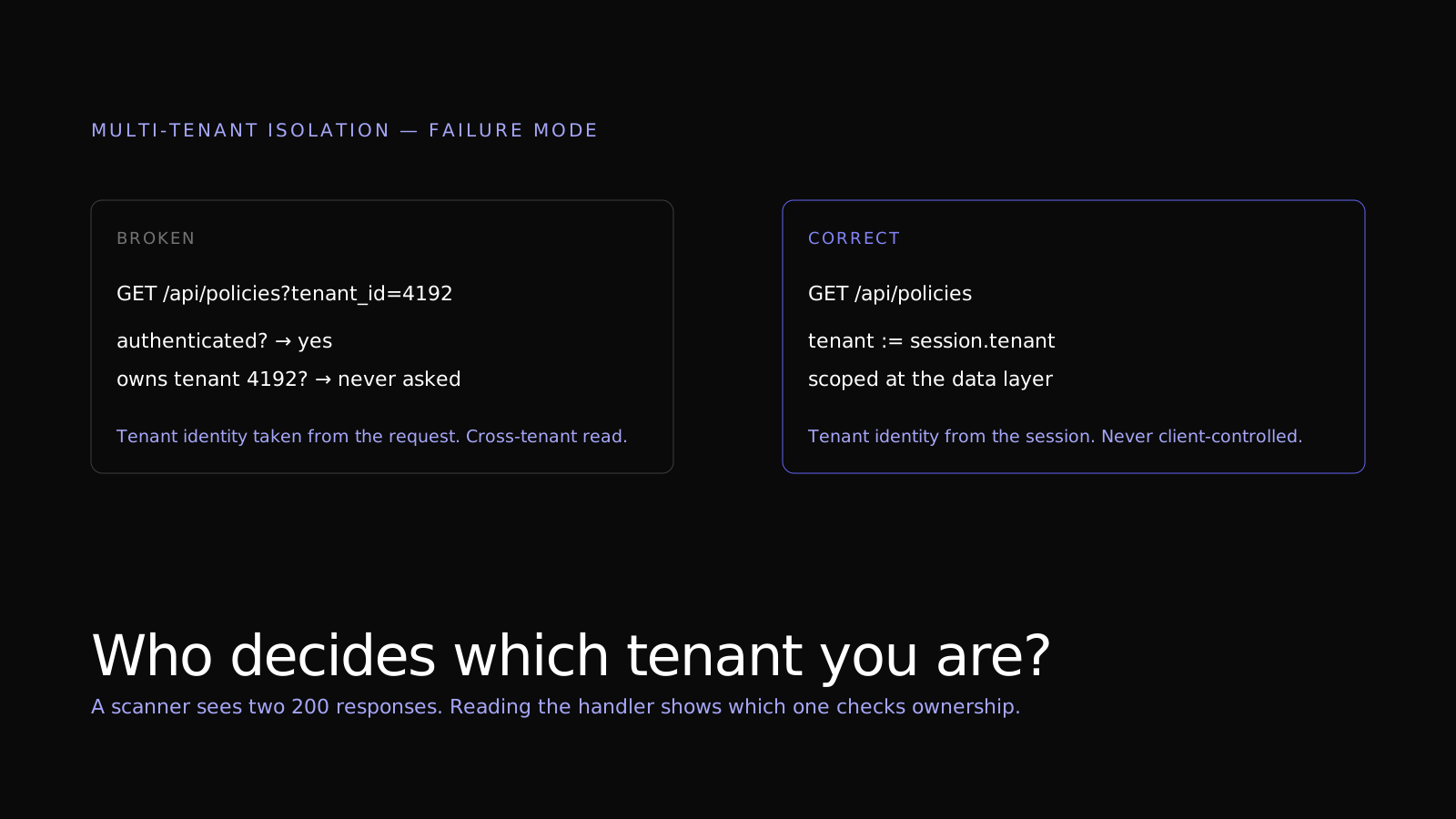
For a multi-tenant martech platform this is the failure that turns one account into all of them. A scanner sees a normal response, and only a test that understands which tenant should own which record can tell that the boundary leaks.
Cloud storage and misconfiguration
Campaign assets, exports, and backups land in cloud object storage, and misconfiguration exposes them without touching the application. An open bucket or an over-permissioned role is a direct path to customer data, and exfiltrated martech records are often combed for the cloud credentials that open the next door.
Anatomy Of A Martech Breach From Login To Customer Data
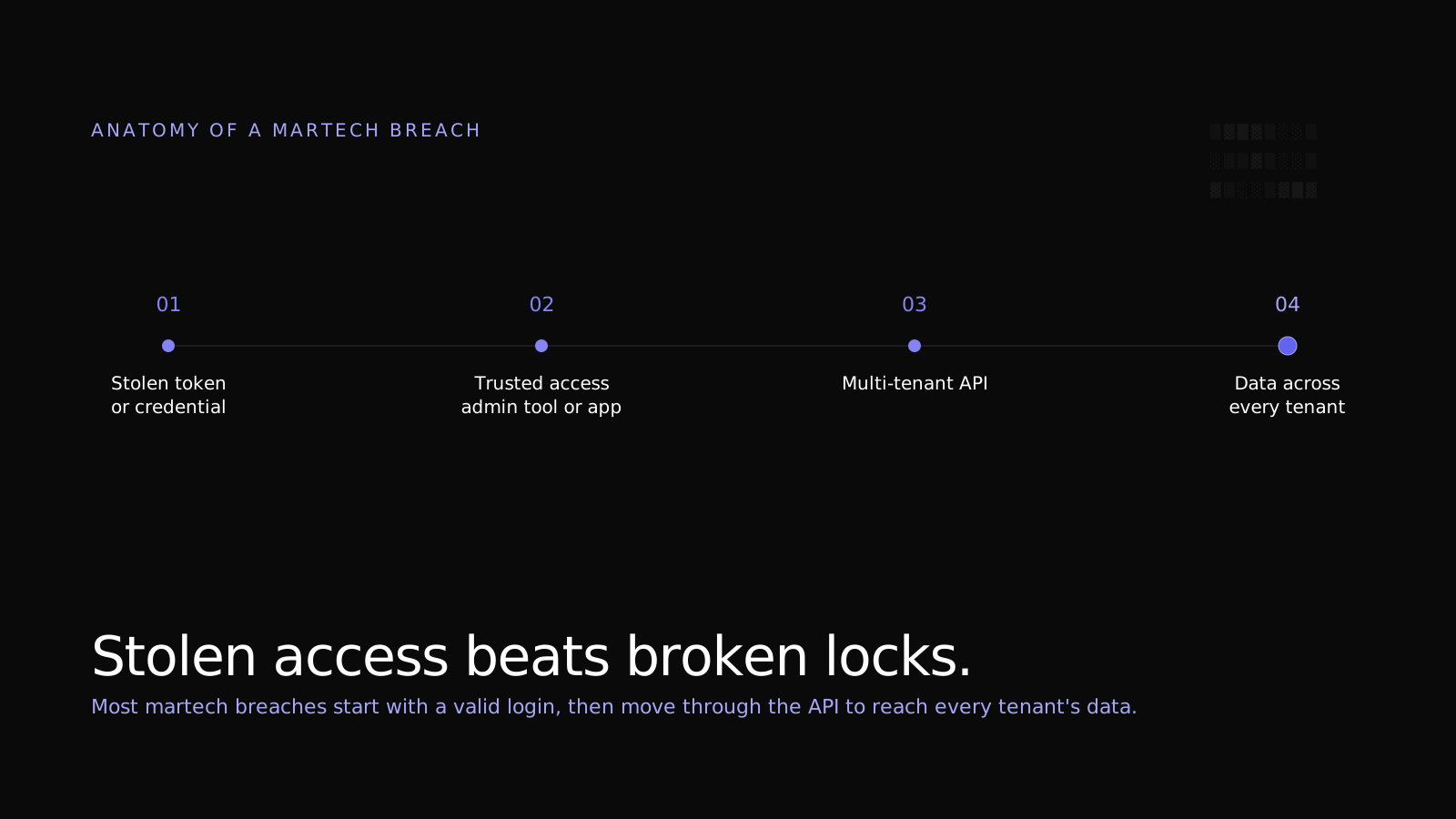
Put the entry points in sequence and the mechanics are clear. A martech breach is a chain, and every link is individually unremarkable.
It begins with a valid credential or token, phished from an employee or stolen from an integration. That access reaches a trusted surface, an admin tool or an impersonated app, so the attacker is now operating as something the platform trusts.
From there the multi-tenant API does the work. The attacker queries it at scale, and because the authorization and tenant isolation were never proven, records flow out across many customers, often mined for secrets that seed the next intrusion.
What began as one login ends as a breach of thousands.
How Martech Platforms Can Prevent Data Breaches
Social engineering will always land some initial access, so the defense that works is hardening what that access can reach. A test built to walk the same chain an attacker walks finds the gap before the attacker does.
Phase 1
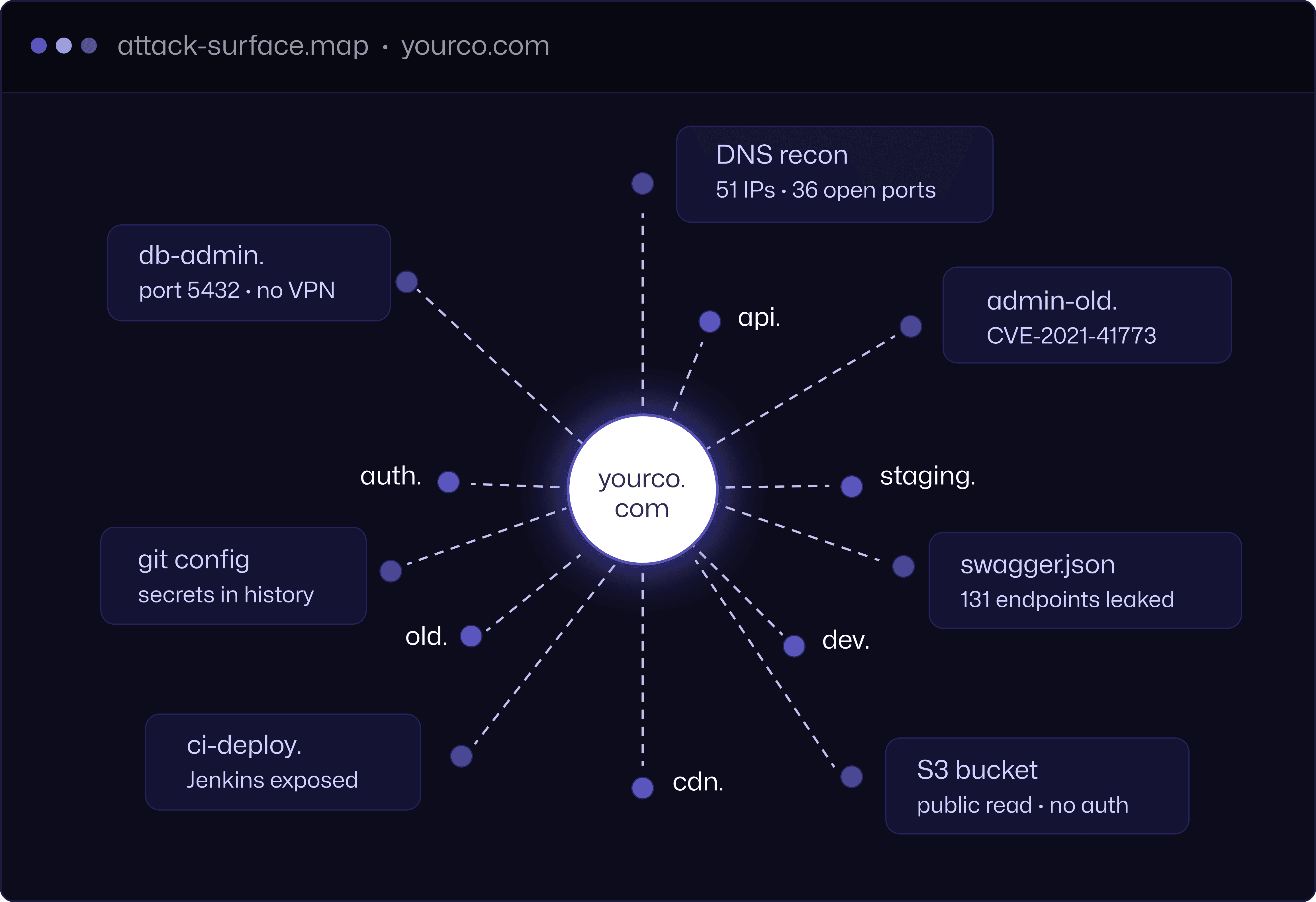
Passive Recon
Maps your full attack surface, subdomains, open ports, exposed configs, and known CVEs, without touching your systems.
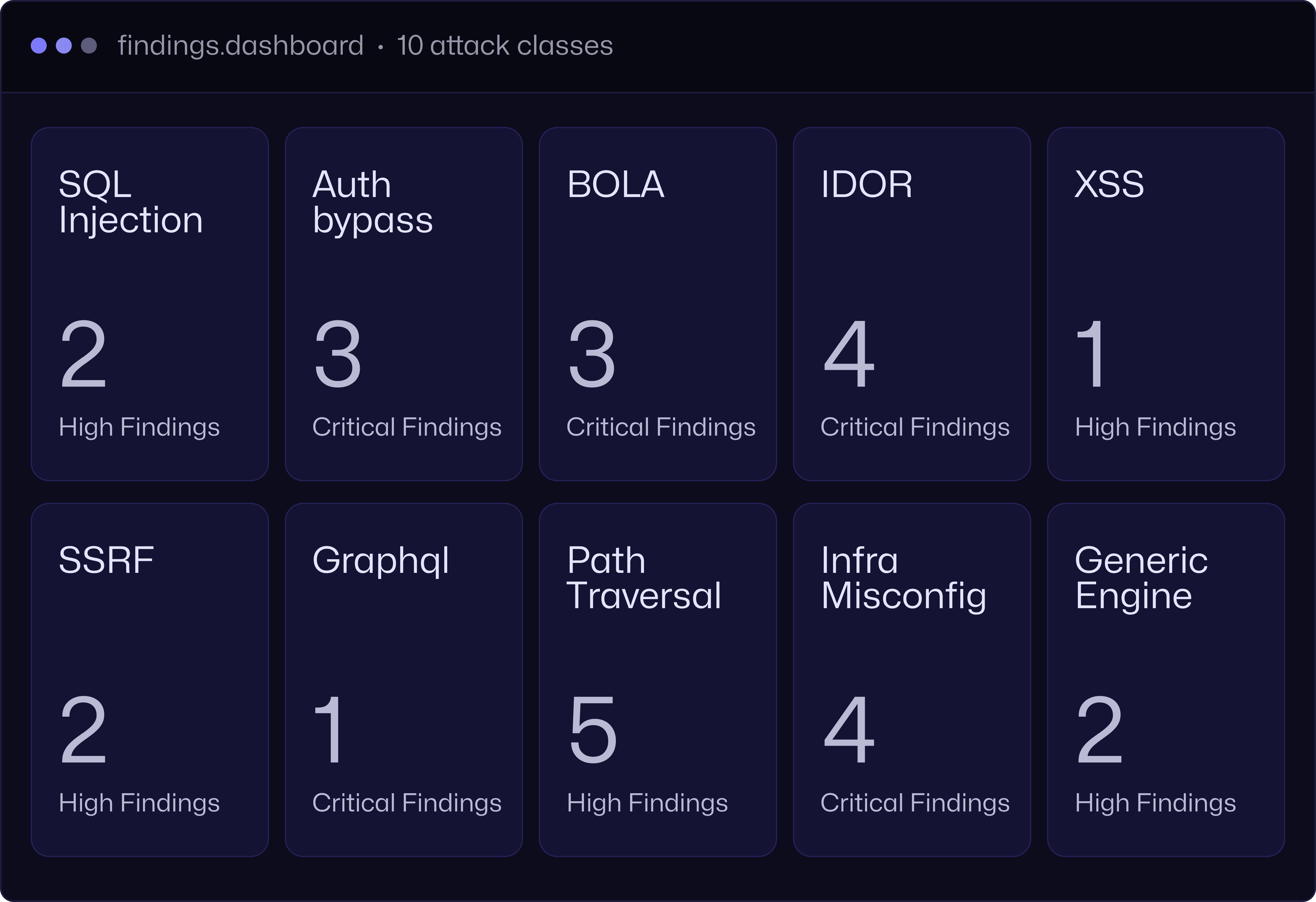
Passive Recon
App Intelligence
500+ Agents
Attack Chains
Evidence
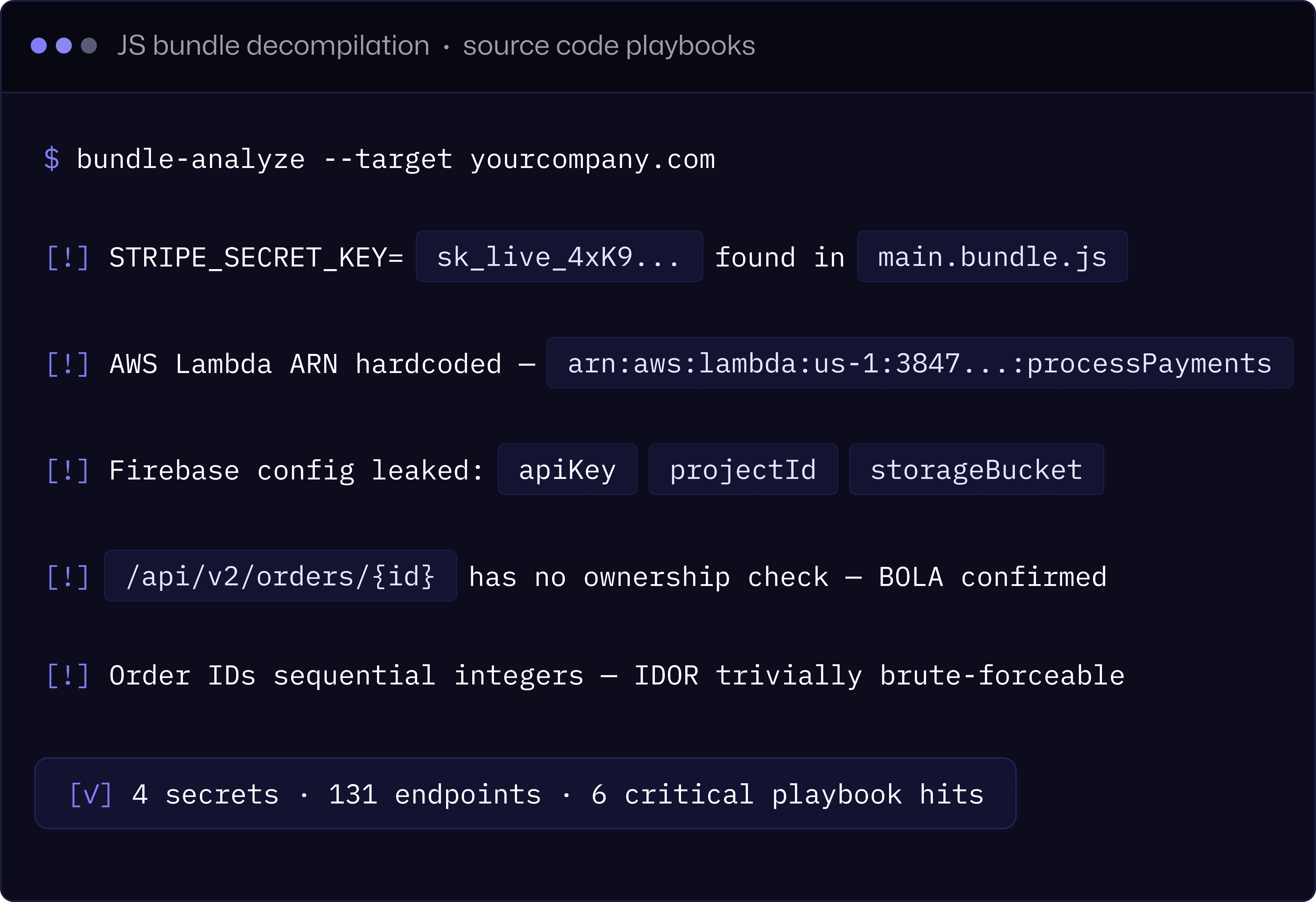
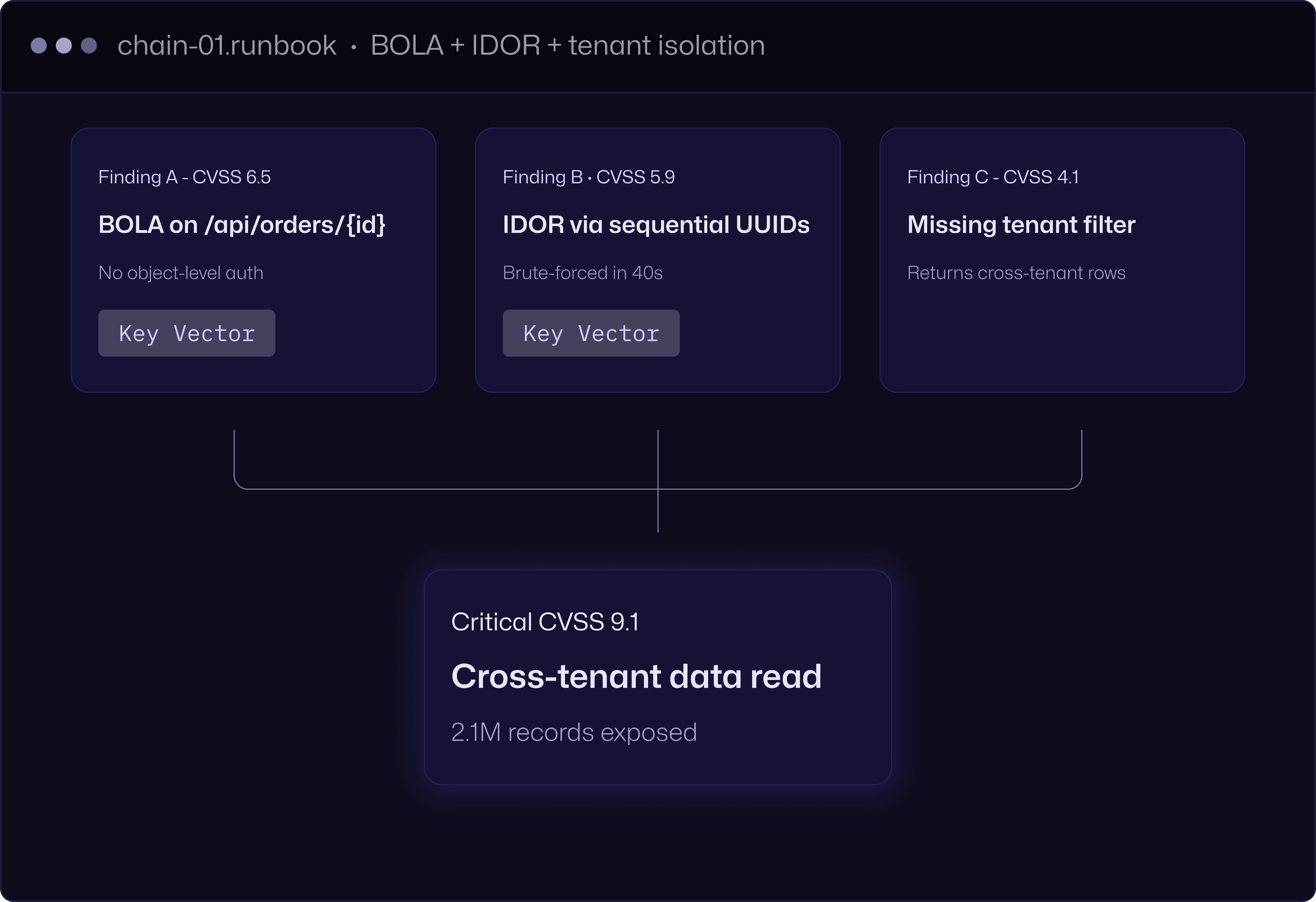
The process is methodical. Reconnaissance maps the exposed surface and the credentials already leaking on the open internet, service discovery and reachability find which APIs and tools an attacker can touch, and the chaining stage links minor findings into a proven path to customer data. Researchers revalidate every finding, and the output is a working proof of exploit with the code path behind it and a retest.
The stages that matter most for martech are authorization and isolation. The test checks whether tokens are tightly scoped, whether every API confirms ownership before returning a record, and whether one tenant can reach another's data, which are the exact failures the breaches above turned on.
Why Code-Aware Testing Finds Martech API And Token Risks
Most of these breaches turn on authorization and token handling, and both are invisible from outside. An external scanner sees an API return a 200 response and an integration behave normally, unable to tell whether the endpoint checked ownership or the token was scoped too broadly.
Reading the code changes what the test can find. It traces which endpoints accept a client-supplied identifier without checking ownership, whether OAuth scopes are validated and tokens rotated, and how internal tools enforce access across tenants, across black, white, and gray box modes.
That is the layer where a phished credential either stops at one account or becomes a breach of thousands.
How CodeAnt AI Helps Martech Platforms Prevent Data Breaches
CodeAnt tests a martech platform the way an attacker would, continuously. It reads the code alongside the live surface, finds the authorization gaps and over-broad token scopes that turn access into a breach, and proves whether the multi-tenant boundary actually holds.
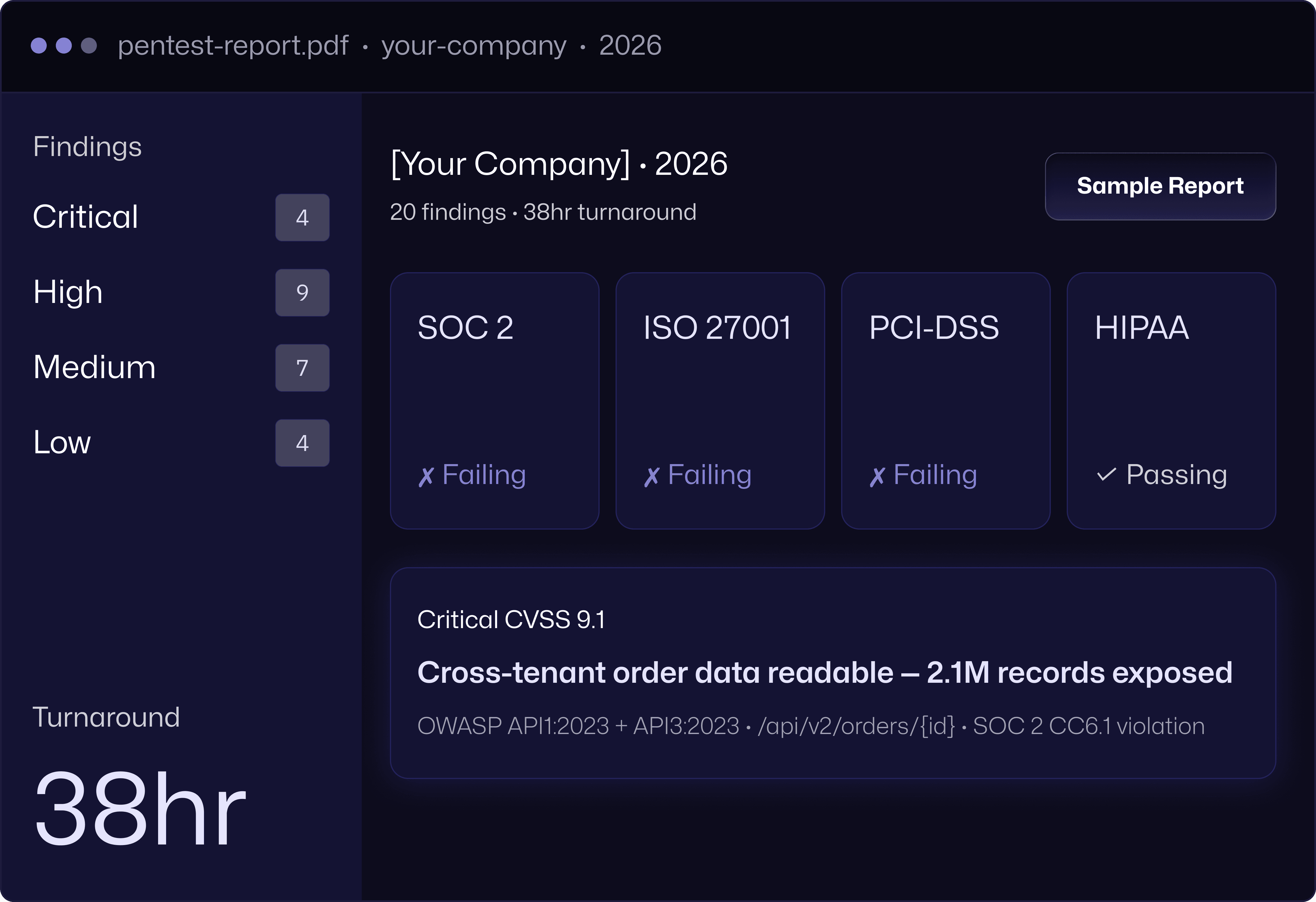
Because it runs on every change, the new integration or API endpoint shipped last week gets tested this week, not at next year's engagement. Findings arrive as a proven chain with a working exploit, mapped to the SOC 2 criteria your enterprise buyers check, and the walkthrough of how AI penetration testing traces a data leak shows the depth.
The pricing fits a growth-stage budget. You pay for confirmed critical exposure rather than researcher hours, so the test is paid only when it finds something real.
Conclusion: Stop Martech Breaches By Testing The Full Access Chain
Martech breaches rarely begin with a dramatic break-in. They usually begin with something ordinary: a phished employee credential, a stolen OAuth token, an admin tool that trusts its user, or a third-party integration with too much access. Once attackers have valid access, the real question is what that access can reach. If APIs do not check ownership, tokens are too broadly scoped, tenants are not isolated, or cloud storage is misconfigured, one login can become a breach across thousands of customers.
That is why martech security needs to focus on the full access chain, not only the perimeter. For martech and CRM platforms, the strongest breach-prevention model is continuous testing. Every new integration, API endpoint, admin feature, or export flow can create a fresh access path. Testing those changes as they ship helps prove whether customer data remains protected before a trusted login turns into a notification email.
Start with the breach paths that matter most: stolen credentials, OAuth tokens, admin tools, multi-tenant APIs, and cloud storage. Test whether valid access can be chained into customer data exposure, then use continuous, code-aware penetration testing to catch the next access-path failure before attackers do. For the compliance side of the story, start with our guide to SOC 2 for martech and enterprise procurement.

